ファスティング3日目。今回の断食で改めて感じたことがあります。それは「味噌によって、体への染み込み方がぜんぜん違う」ということ。
- きっかけはたまたまの飲み比べ
- まるや八丁味噌との出会いは2022年の工場見学
- まるや八丁味噌とは
- なぜファスティング中に「染み込む」のか
- つまり、体は「本物」を見抜いていた
- 普段の食事にも取り入れたい
- 🇺🇸 English Version
- A Side-by-Side Tasting by Chance
- My First Encounter with Maruya Hatcho Miso: The 2022 Factory Tour
- What Is Maruya Hatcho Miso?
- Why Does It “Sink In” During Fasting?
- In Other Words, the Body Knows the Real Thing
- I Want to Use Real Miso in Daily Meals Too
きっかけはたまたまの飲み比べ
私はファスティング中、塩分とミネラル補給のために具なし味噌汁を飲むことにしています。今回は手元に2種類の味噌がありました。
- 愛知県岡崎市・まるや八丁味噌
- スーパーで買ってきた一般的な味噌
特にこだわりなく交互に使っていたのですが、まるやの味噌で作った味噌汁を飲むと「ん〜、なんか違う、しっくりくる」という感覚が毎回ありました。最初は気のせいかと思ったけど、何回飲んでもやっぱり違う。スーパーの味噌が悪いわけじゃないけど、体への入り方が明らかに違うんです。
まるや八丁味噌との出会いは2022年の工場見学
実は私、2022年10月17日にまるや八丁味噌の無料工場見学に参加したことがあります。それ以来、すっかり虜になってしまいました。
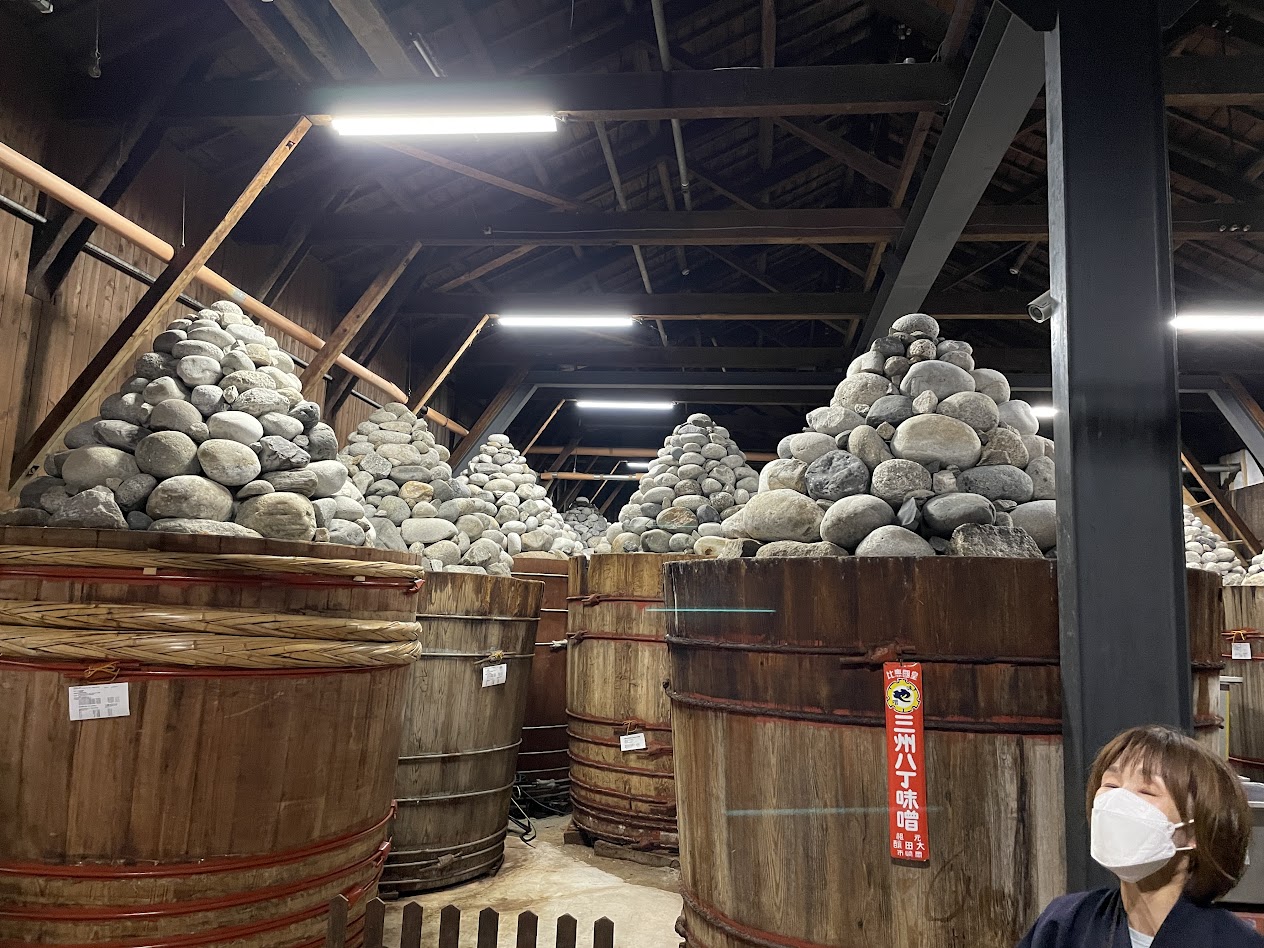
工場に入った瞬間、長年の発酵で染みついた独特の香りに包まれます。そして奥に進むと、目の前に現れるのが巨大な木桶の上に山のように積み上げられた石。これが何百年も繰り返されてきた光景なんだと思うと、ちょっと感動します。
ガイドさんから「この石、職人が一つひとつ手で積んでいるんですよ」と聞いた時、思わず「えっ、機械じゃないの?」と聞き返してしまいました。約3トンもの石を、人の手で職人技で積んでいく…そのこだわりこそが、本物の味噌を作る秘密なんですね。
それ以来、味噌を選ぶときはまるや八丁味噌を選ぶようになりました。最近はふるさと納税でも手に入るので、私もそれで購入しています。応援にもなって、お得に手に入って、一石二鳥です。
まるや八丁味噌とは
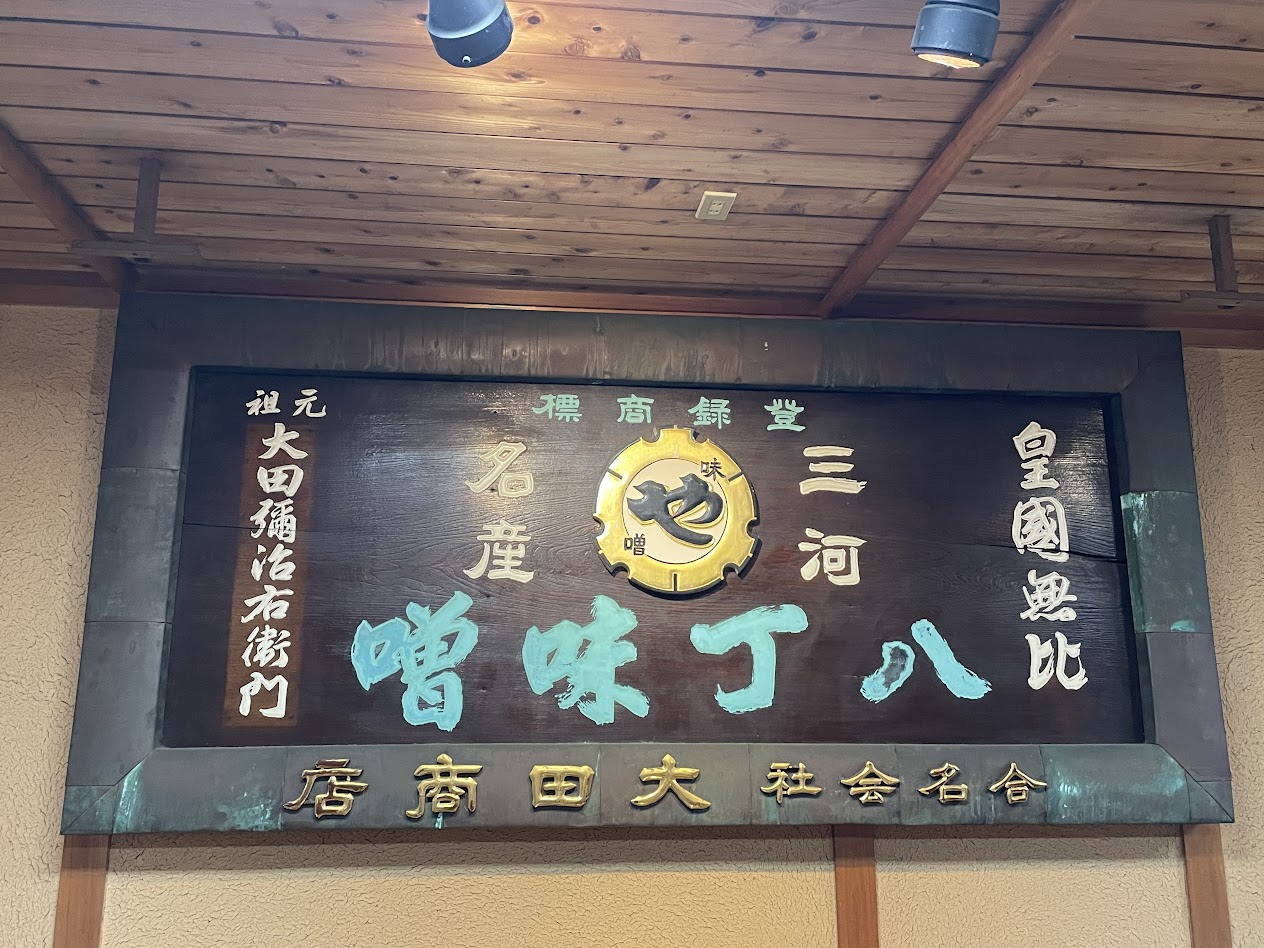
愛知県岡崎市で1337年から続く老舗。なんと約690年の歴史。岡崎城から「八丁(約870m)」の場所にあるから「八丁味噌」と呼ばれています。
特徴は、
- 大豆と塩と水だけで作る(米麹・麦麹を使わない)
- 木桶に仕込んで、上に石を山のように積んで2年以上熟成
- 濃い赤褐色で、コクと旨味と少しの渋み
道を挟んで隣には、もう一軒の老舗「カクキュー八丁味噌」もあって、両者で本物の八丁味噌を守り続けています。
なぜファスティング中に「染み込む」のか
調べてみたら、ちゃんと理由がありました。
① アミノ酸が桁違いに多い
2年以上の長期熟成で、大豆のタンパク質がアミノ酸に分解されまくっています。特にグルタミン酸(旨味成分)が豊富。ファスティング中は栄養が入ってこない状態なので、少量でも体に染み込む感覚になります。
② ミネラルが濃縮されている
長期熟成で水分が抜けて、ミネラル密度が非常に高い。ファスティング中はミネラル不足になりがちなので、体が「これ欲しい!」と反応するんです。
③ メラノイジンという宝物
長期発酵でできる茶色い色素成分で、抗酸化作用や腸内環境を整える効果があります。空っぽの体にとってありがたい成分。
④ 添加物ゼロ・生きた発酵食品
スーパーの味噌は「速醸法」で3〜6ヶ月で作るものが多く、アルコール・酒精・調味料が入っていることも。一方、まるやは大豆・塩・水だけで、生きた発酵食品。
つまり、体は「本物」を見抜いていた
ファスティング中の体は、いつも以上に「本物」を見抜く力が研ぎ澄まされているのだと思います。
普段は気づかないけど、胃も腸も空っぽ=センサーが敏感になっている状態。だから本物の味噌のアミノ酸・ミネラル・発酵パワーが、ダイレクトに体に届く感じがするんです。
普段の食事にも取り入れたい
ファスティング後の通常食でも本物の味噌を使い続けたいと思います。値段は少し高いけど、毎日少しずつ摂るものだからこそ、本物を選ぶ価値があると思いました。
岡崎方面に行く機会があれば、ぜひまるや八丁味噌の工場見学もおすすめします。無料ですし、味噌の世界観がガラッと変わりますよ。
公式サイト:まるや八丁味噌
ファスティングは「食べないこと」だけが目的じゃなくて、こうやって普段気づかなかった本質に気づける時間でもあるんだなと、改めて感じた3日目でした。
\ シェアする / Share /
\ gargoyle くま をフォローする /
📖 日本語版はここまで | 続いて英訳もどうぞ ↓
📖 End of Japanese version | English translation follows below ↓
🇺🇸 English Version
※ This English translation is auto-generated by AI. Some nuances may differ from the original Japanese version.
Day 3 of fasting. There’s something I realized through this fast: “miso varies dramatically in how it sinks into your body.”
A Side-by-Side Tasting by Chance
During fasting, I drink plain miso soup (with no ingredients) for salt and mineral replenishment. This time I had two types of miso on hand:
- Maruya Hatcho Miso (from Okazaki, Aichi)
- A typical miso bought from the supermarket
I used them alternately without much thought, but every time I made soup with Maruya, I felt “hmm, something’s different — it just feels right”. At first I thought it was just my imagination, but no matter how many times I drank it, the difference was clear. It’s not that supermarket miso is bad — but the way it enters the body is clearly different.
My First Encounter with Maruya Hatcho Miso: The 2022 Factory Tour
On October 17, 2022, I joined a free factory tour at Maruya Hatcho Miso. I’ve been a huge fan ever since.
The moment you enter the factory, you’re enveloped by the unique aroma of decades of fermentation. Then, going further in, you see massive wooden barrels topped with mountains of stones — a sight repeated for hundreds of years. It’s quite moving.
When the guide said, “These stones are stacked one by one by craftsmen, by hand,” I asked back in surprise, “Wait, not by machine?” Around 3 tons of stones, stacked by hand with traditional craftsmanship — that dedication is the secret behind authentic miso.
Since then, when I choose miso, I always pick Maruya Hatcho Miso. These days, you can also get it via Japan’s “furusato nozei” (hometown tax donation) program, which is how I buy it now. It supports the producer, gets me a deal — best of both worlds.
What Is Maruya Hatcho Miso?
Established in 1337 in Okazaki, Aichi — that’s nearly 690 years of history. Located “Hatcho” (about 870m) from Okazaki Castle, hence the name “Hatcho Miso.”
- Made only with soybeans, salt, and water (no rice or barley koji)
- Fermented in wooden barrels with stones piled on top, aged for over 2 years
- Deep reddish-brown, with rich umami and a touch of bitterness
Right across the street is another long-established producer, “Kakukyu Hatcho Miso.” Together, the two preserve the authentic Hatcho miso tradition.
Why Does It “Sink In” During Fasting?
1. Massive Amount of Amino Acids
Through over 2 years of fermentation, soybean proteins are broken down extensively into amino acids. Glutamic acid (the umami component) is especially abundant. During fasting, when nothing is coming in nutritionally, even small amounts feel like they sink into your body.
2. Concentrated Minerals
Long aging removes water, dramatically increasing mineral density. Since fasting often leads to mineral deficiency, your body responds with “yes, this is what I want!”
3. Melanoidin — A Hidden Treasure
The brown pigment created during long fermentation has antioxidant effects and helps regulate gut flora — a precious nutrient for an empty body.
4. Zero Additives, Living Fermented Food
Most supermarket miso is made via “rapid fermentation” in just 3-6 months, often with alcohol, ethanol, or seasonings added. Maruya, in contrast, uses only soybeans, salt, and water — a truly living fermented food.
In Other Words, the Body Knows the Real Thing
During fasting, your body is more attuned than usual at recognizing what’s authentic.
You don’t notice it normally, but with an empty stomach and gut, your sensors become heightened. So the amino acids, minerals, and fermentation power of authentic miso reach you directly.
I Want to Use Real Miso in Daily Meals Too
Even after fasting ends, I want to keep using real miso. It costs a bit more, but since it’s something we eat daily, even in small amounts — it’s worth choosing the real thing.
If you’re ever in the Okazaki area, I highly recommend the Maruya Hatcho Miso factory tour. It’s free, and it’ll completely change your perspective on miso.
Official site: Maruya Hatcho Miso
Fasting isn’t just about “not eating” — it’s also a luxurious time to notice essential things you’d otherwise miss. That’s what I felt anew on day 3.